Creative Ideas Behind Popular Wheel Games
14 July 2026 | 81
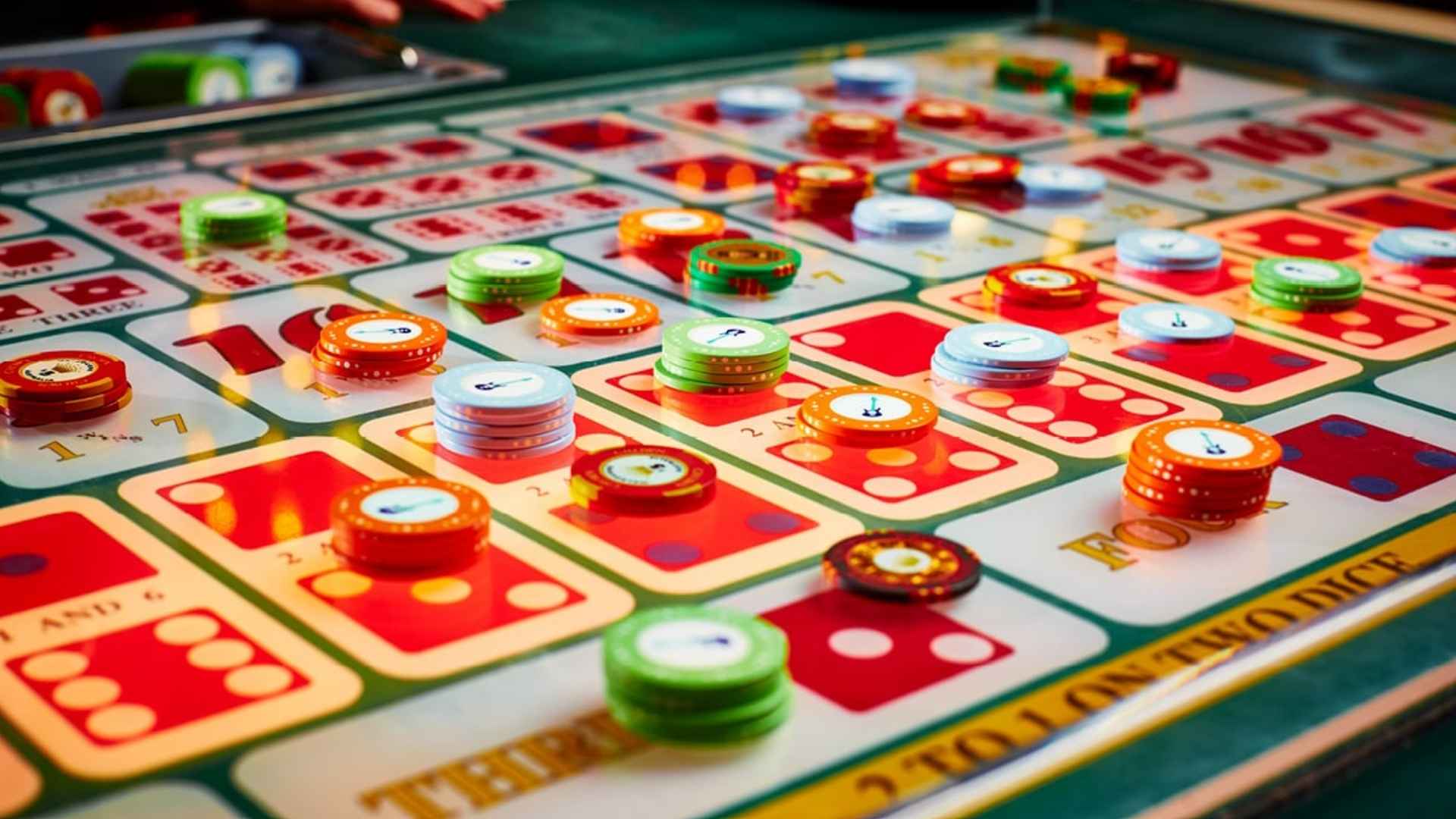
Popular wheel games have transitioned from traditional fairground attractions into highly sophisticated digital experiences. The creative ideas driving this evolution combine advanced psychology, artistic visual designs, and interactive elements to capture player interest worldwide. Understanding the unique concepts behind these spinning mechanics reveals why they remain a dominant force in modern entertainment.
The Psychology of Visual Deceleration
One of the most effective creative elements in wheel games is the deliberate pacing of the spin itself. Developers carefully program the physical or virtual wheel to slow down gradually, creating an intense window of anticipation. This dramatic deceleration triggers a powerful dopamine response as players watch the pointer edge closer to their desired segments.
By combining bright, contrasting color palettes with this mechanical suspense, developers build a highly immersive atmosphere. Modern platforms often use high-definition visual effects to make the final moments of each spin look incredibly cinematic. These small design choices keep the gameplay simple yet emotionally rewarding for a diverse audience.
Themed Narratives and Interactive Features
Today, a simple colored wheel is rarely enough to satisfy modern gaming standards. Designers are incorporating rich thematic backdrops, ranging from ancient mythological ruins to futuristic cyberpunk cityscapes. These creative narratives give context to every spin and make the virtual environment feel like an adventure.
Many popular variations also introduce live-streaming hosts and interactive real-time chat boxes. Players can enjoy these social features on trusted networks like M88 toto, which offer a secure and lively environment for digital entertainment. Combining real-time human interaction with digital systems elevates the classic format into a modern spectator sport.
Mathematical Innovation and Reward Systems
Behind the colorful aesthetics lies a complex network of mathematical design and probability structures. Traditional wheels offered flat payout rates, but contemporary adaptations use creative multiplier systems to keep sessions fresh. Randomly selected segments can suddenly receive massive multipliers just before the wheel comes to a complete stop.
This layer of mechanical unpredictability ensures that no two gaming sessions ever feel identical. By introducing multiple tiers of volatility, designers cater to both cautious casual players and those seeking high-stake dynamics. Balancing structured mathematical fairness with creative visual rewards remains the golden standard for top-tier developers.